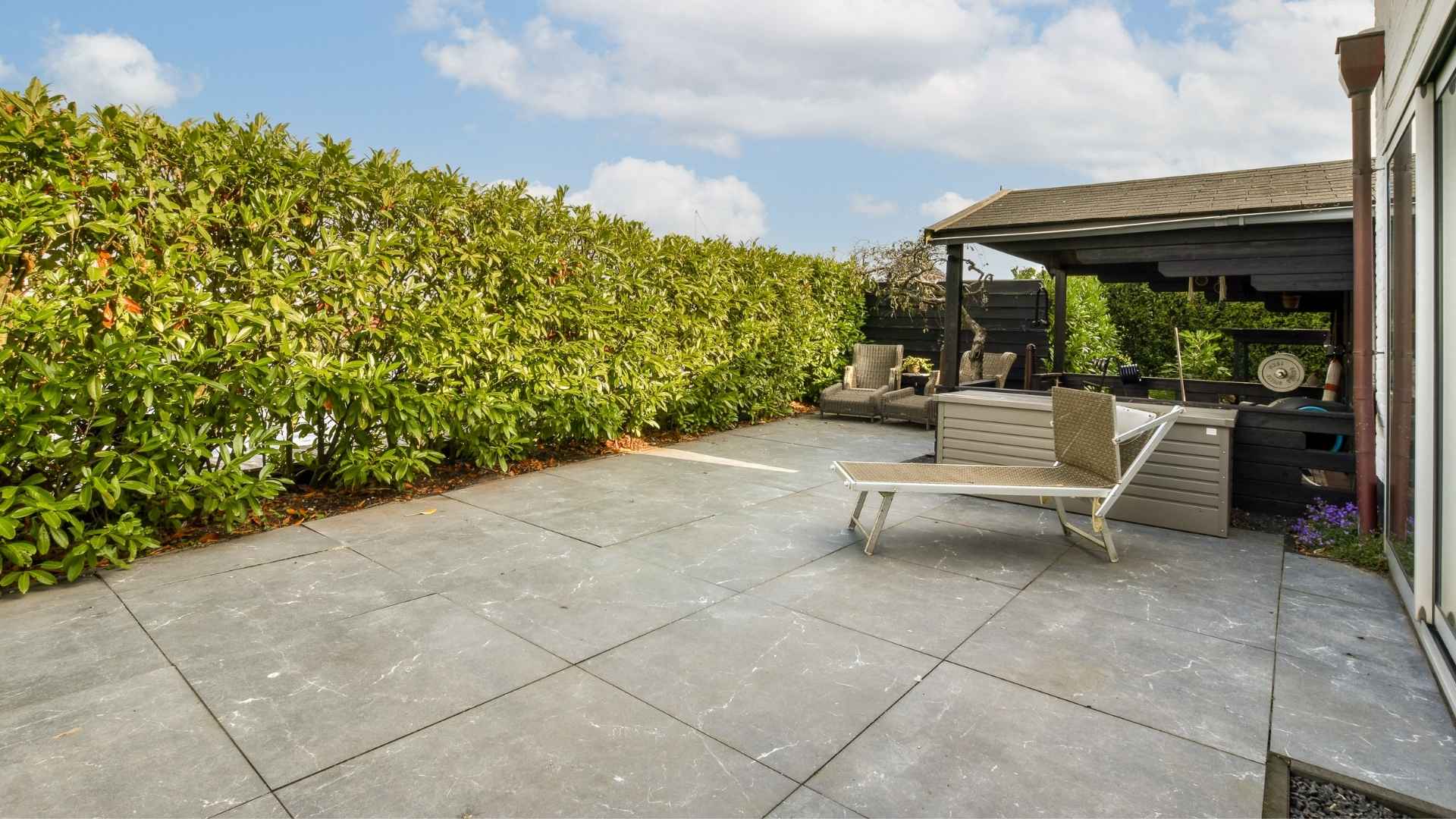

Sometimes, yes, you may need a permit in Rhode Island. A simple paver patio on the ground may not need a building permit, but many towns still want a zoning check. Zoning is the town rule about where things can go on your land. A retaining wall is more likely to need a permit when it is tall or holds back a lot of soil. Rules can change by town, so the best first step is to ask your local building office. Think of a permit like a permission slip that helps keep work safe and fair. If you want a fast start, ask this one question: do I need a Rhode Island building permit for patio work at my address? At Precision Edge RI in West Greenwich, we have over 25 years of hardscaping experience, and we help homeowners plan the right way.
Why Permits Matter for Patios and Walls
Permits can feel like extra paperwork, but they protect your home. They help make sure the base, drainage, and materials are safe. Drainage is how water moves away from your home. They also help prevent problems with neighbors, like water running into their yard. If work starts without approval, a town can stop the job and require changes. That can mean lost time, wasted materials, and more cost. A permit record can also help when you sell your home later. Even when you do not need a building permit, zoning rules may still apply, so it is smart to check.
When a Patio Usually Needs a Permit in Rhode Island
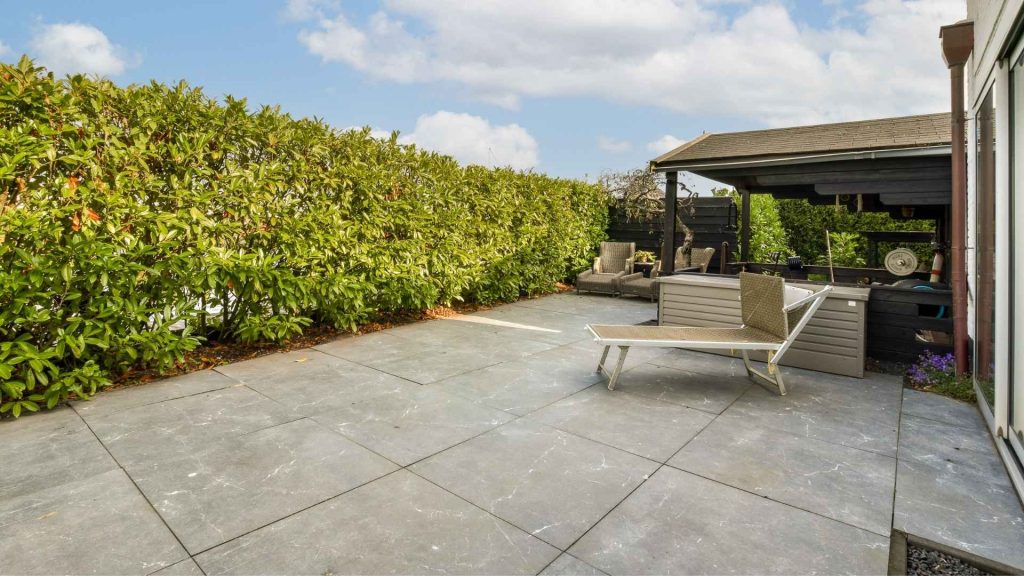
For many homes, a ground level patio is treated like flatwork, like a walkway. Because of that, some towns may not require a building permit for a basic paver patio. But patio permit Rhode Island rules can change when the patio is raised, attached to the house, or built with a roof. If the patio changes the ground slope, the town may want to review drainage. If you are near wetlands, a septic system, or a flood area, extra rules can come into play. If you plan electrical lighting, a gas line, or an outdoor kitchen, permits are more common. This is why a Rhode Island building permit for patio question is best asked early.
When a Retaining Wall Usually Needs a Permit in Rhode Island
A retaining wall is not just a pretty border, it is a structure that holds back soil. That is why retaining wall permit Rhode Island questions come up so often. Many building rules use a common trigger at about 4 feet of wall height, measured from the bottom of the footing to the top of the wall. The footing is the buried base under the wall. A permit may also be needed if the wall supports extra weight, like a driveway, a steep slope, or a patio. Drainage matters a lot, because trapped water can push a wall outward. If a wall fails, it can damage yards, fences, and nearby parts of a home. For taller walls, towns may ask for an engineer plan, so the wall is built to last.
Quick Checks That Often Trigger a Permit
Homeowners often ask for a simple way to know when to pause and check permits. These quick checks can help you spot projects that usually need review. If one item fits, call your town and ask about permits before you dig. Small projects can still need approval when they affect safety, water flow, or zoning lines. Here are common permit triggers we see across Rhode Island. Use this list as a guide, then confirm the rule for your town.
The patio is raised, attached to the house, or has a roof or pergola
The work changes grading, adds fill, or pushes water toward the home
The project is close to a property line, driveway, or a neighbor’s yard
The retaining wall is tall or supports a slope, parking, or another structure
You are adding steps, handrails, lighting, gas, or electrical features
You are near wetlands, coastal areas, septic systems, or flood zones
Most homeowners do not know these rules by heart, so do not feel bad if this is new.
What the Permit Process Looks Like in Most RI Towns
Most towns follow a similar process, even if the forms look different. First, you share the project size, the location on the lot, and the materials. Next, you may need a simple sketch or plan that shows distances to property lines. Setbacks are the required space from your property line. For a wall, towns often want the wall height and basic drainage details. Many towns use online permit systems now, and some connect to a statewide online permit site. After approval, an inspector may check key steps, like the base, drainage, and the finished work.
What Homeowners Should Do Before Starting the Build
Start by checking your town building and zoning office requirements. Before you call, gather a few simple items so the answer is fast.
A rough sketch with the patio or wall location
The project size, and the wall height if you have one
The distance to the house and the property line
Call for utility marking before any digging, because lines can be hidden. Plan for drainage, because good drainage helps patios and walls last longer. Keep receipts and simple drawings, because they can help with permits and future home sales. If you want help, a local hardscape contractor can guide the plan and the build.
How Precision Edge RI Helps You Build With Confidence
Permits can feel confusing, but you do not have to handle them alone. Precision Edge RI serves West Greenwich and all of Rhode Island with hardscaping and landscaping services. We build paver patios, fire pits, walkways, driveways, retaining walls, and stairways, and we also build outdoor kitchens and gathering areas. We focus on strong base prep and smart drainage, because that is what keeps stone work stable. We have seen small water issues turn into big repairs, so we plan drainage first. We can help you gather the project details your town may ask for, so you feel ready. If you want a clear plan for a patio permit Rhode Island process or a retaining wall permit Rhode Island process, our team can guide your next steps.
Conclusion
So, do you need a permit for a patio or retaining wall in Rhode Island? Sometimes yes, and it depends on your town and your project details. A simple patio may not need a building permit, but zoning rules may still apply. A retaining wall is more likely to need a permit, especially when it is tall or supports extra weight. The best time to check is before you dig, not after materials arrive. When you follow the rules, you protect your home, your budget, and your resale value. If you want a patio or wall built with care, Precision Edge RI is ready to help you plan and build it the right way.